
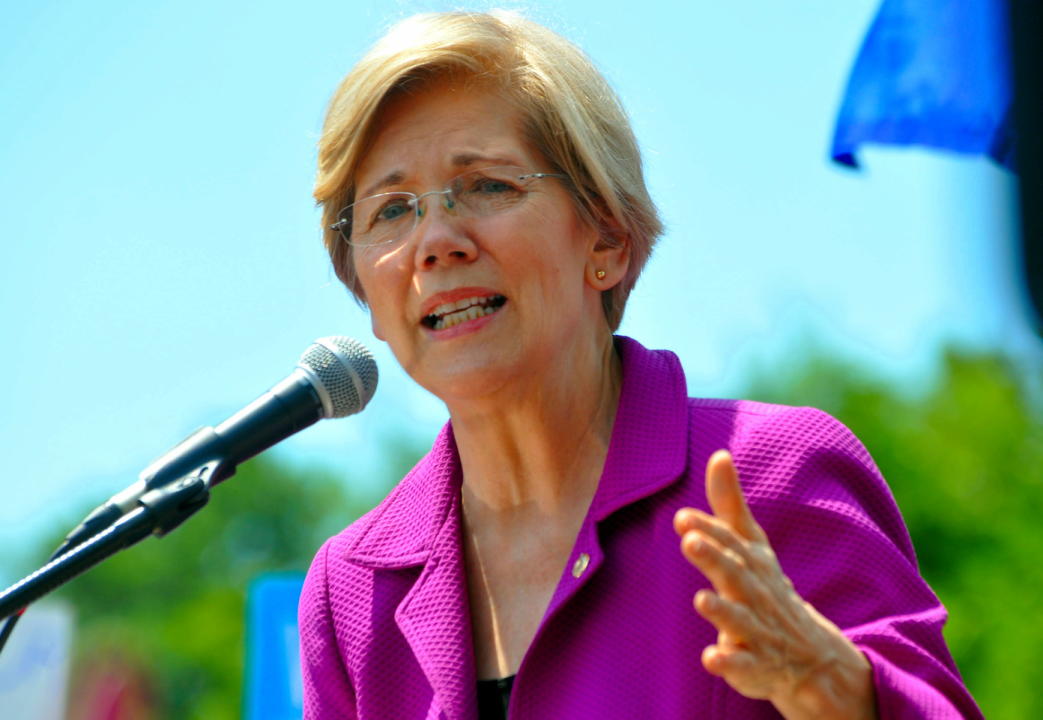
In an unexpected turn, Senator Elizabeth Warren of Massachusetts, a long-time supporter of the Affordable Care Act (ACA), commonly known as Obamacare, is now recognizing the unintended consequences of the healthcare law. The Wall Street Journal’s editorial board highlighted this shift on Friday, noting Warren’s recent concerns about industry consolidation and rising healthcare prices spurred by Obamacare.
Warren, known for her consistent backing of the ACA, has apparently had an “epiphany” regarding the negative impacts of the healthcare law, particularly in terms of industry consolidation and escalating prices, as reported by The Journal. The senator directed a letter to the Health and Human Services Department inspector general, seeking an investigation into potential prescription drug cost increases by vertically-integrated healthcare companies and their compliance with federal regulations.
Teaming up with Senator Mike Braun, a Republican from Indiana, Warren expressed bipartisan concern about large health insurers allegedly evading Obamacare’s medical loss ratio (MLR). The MLR is designed to ensure that insurers spend a specified percentage of premium revenue on healthcare services rather than administrative costs and profits. The senators contend that major health insurers are circumventing this requirement, leading to exorbitant prescription drug costs and inflated corporate profits.
Warren’s letter addresses the issue of conglomerates, like UnitedHealth Group, that control various aspects of the healthcare chain, including insurers, pharmacy benefit managers (PBMs), pharmacies, and physician practices. The concern raised is that such conglomerates can manipulate payments within their network, making it appear as if they are complying with MLR requirements while maximizing profits for themselves.
The Wall Street Journal explained that despite the initial intent of MLR to benefit patients, it has inadvertently driven insurers to merge with or acquire PBMs, pharmacies, and healthcare providers. This consolidation, in turn, has led to decreased transparency in healthcare spending, as profits can be shifted among affiliates through increased reimbursements.
Warren, despite her historical opposition to Obamacare repeal efforts, has now taken a stance against certain aspects of the law. Notably, she has raised concerns about the lack of relief for patients in public healthcare programs, such as Medicare and Medicaid, who utilize vertically integrated specialty pharmacies.
While Warren’s office and the Health and Human Services department have not yet responded to Fox News Digital’s request for comment, her newfound critique of Obamacare’s unintended consequences adds a fresh perspective to the ongoing debate over healthcare policy in the United States