
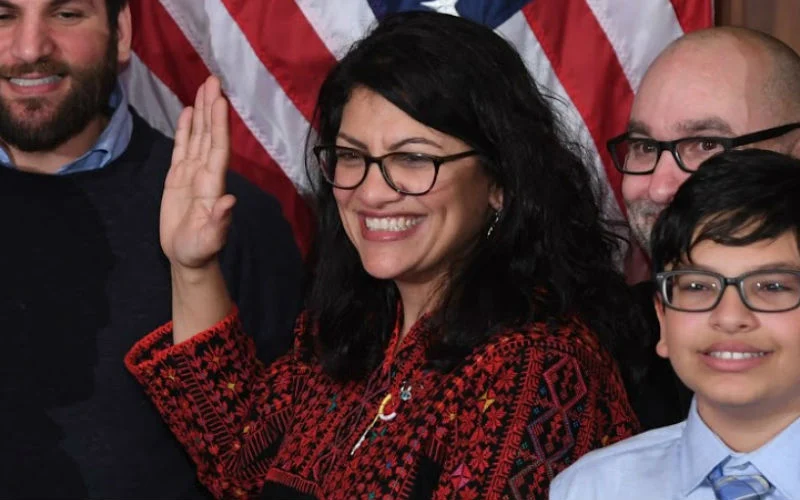
A prominent government watchdog has released a sharply worded report examining Rep. Rashida Tlaib’s past associations with individuals and organizations accused of supporting extremist causes, raising concerns among critics about potential security implications.
The report outlines several instances in which Tlaib, a Democratic congresswoman, engaged with groups or figures that have been linked to extremist ideologies or movements. While the watchdog stopped short of alleging criminal conduct, its findings highlight situations the authors believe merit scrutiny, particularly when viewed through the lens of national security and public safety standards.
According to the analysis, some of Tlaib’s public appearances, endorsements, or shared platforms included individuals or entities that federal authorities have flagged for ties to terrorism or radical activism. The watchdog suggests that such associations could pose reputational and policy-related risks for lawmakers and underscores the importance of careful vetting of affiliations.
In response to the report, Republican lawmakers and conservative commentators have emphasized the need for greater accountability and transparency from elected officials whose networks intersect with controversial figures. They argue the findings underscore a broader debate over how public servants should navigate relationships with advocacy groups and activist circles.
Supporters of Tlaib have rejected the report’s implications, describing it as politically motivated and asserting that engaging with diverse community organizations is a routine part of a representative’s duties. They say the criticism overlooks context and misconstrues legitimate civic involvement.
The release of the watchdog’s report adds a new chapter to ongoing discussions about political alliances, national security, and the responsibilities of members of Congress. As the debate continues, both supporters and opponents of Tlaib’s record are likely to use the report to bolster their respective positions.