
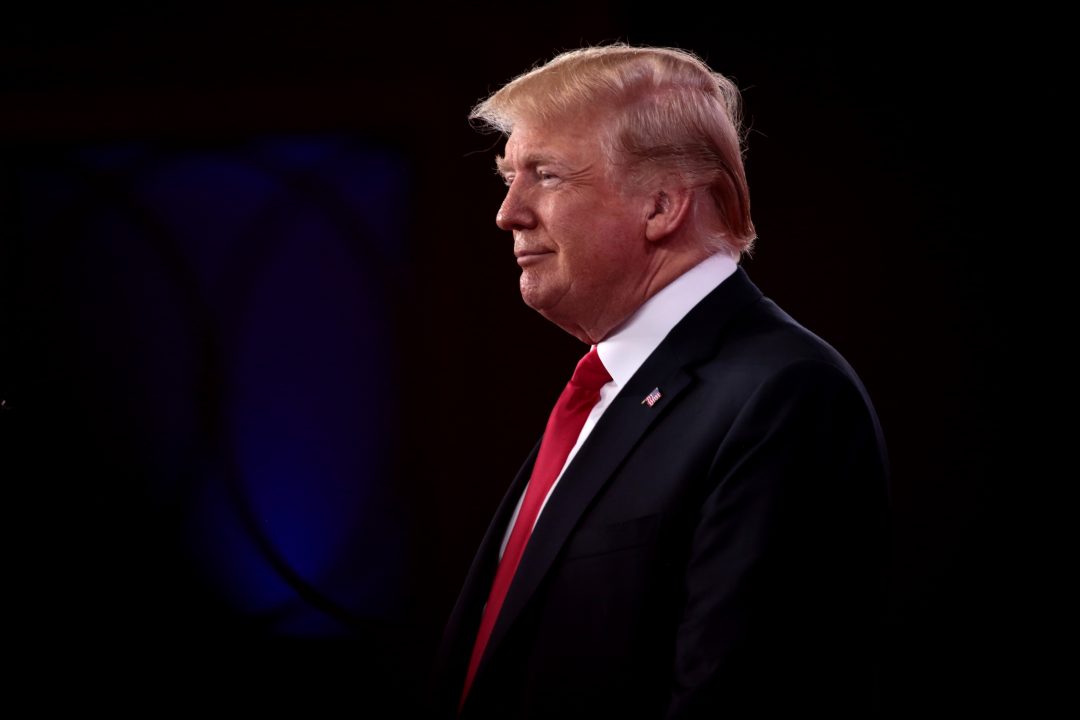
At the World Economic Forum in Davos, Switzerland, a panel of global leaders addressed the potential return of Donald Trump to the White House and its implications for international economies. Bloomberg Television host Francine Lacqua moderated the discussion, posing questions to key figures about their strategies to adapt to Trump’s potential presidency.
David Rubenstein, co-founder and co-executive chairman of The Carlyle Group, responded to Lacqua’s query on “Trump-proofing” economies, acknowledging the challenge. “If somebody has a way to do that, I think they should patent it and probably sell it to somebody else,” he remarked, suggesting the difficulty of preparing for such a scenario.
German Finance Minister Christian Lindner offered a European perspective, suggesting that Europe should focus less on Trump and more on enhancing its competitiveness. “Doing our homework is the best preparation for a possible second term of Donald Trump, and this includes our capabilities to defend ourselves,” Lindner stated. He emphasized the importance of Europe being an “attractive partner on eye-level” in economics and NATO.
Christine Lagarde, President of the European Central Bank, echoed these sentiments. She advised that the best defense is a proactive approach. “To attack properly, you need to be strong at home. So being strong means to have a strong deep market, having a real single market,” Lagarde explained. She further advocated for a transition towards a greener economy in Europe, emphasizing the need for investment in renewable energy.
The panel’s discussions reflected a global concern over the impact of U.S. presidential elections on international economic stability. The idea of “Trump-proofing” economies points to the growing need for countries to develop robust internal strategies that can withstand external political changes, especially in the face of unpredictable leadership shifts in major world powers like the United States.
As the 2024 U.S. presidential election draws nearer, the global community is increasingly focused on preparing for potential shifts in American policies and their ripple effects on international markets and political alliances.