
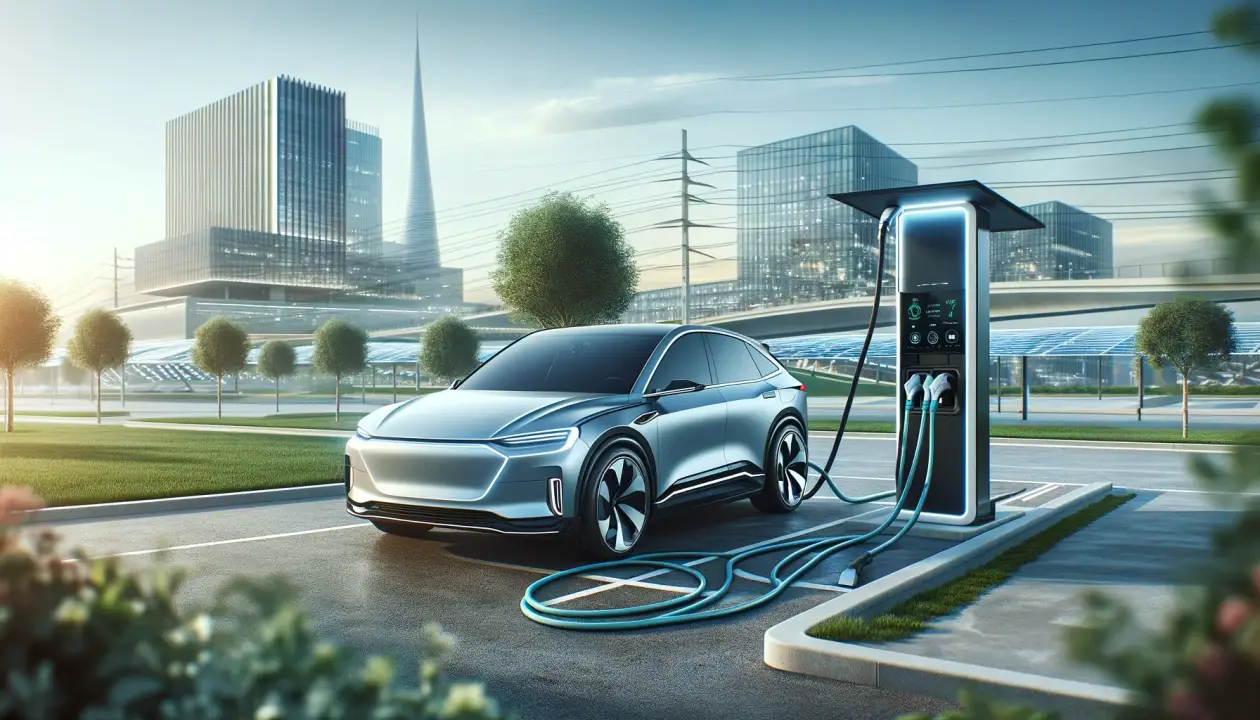
The implementation of novel regulations by the White House, which aim to address climate change, will have a profound impact on the travel practices of federal government personnel. Official government operations are now prohibited from using anything but electric vehicles (EVs) and rail transport; this signifies a significant transition towards environmentally friendly modes of transportation.
As part of a larger strategy to lead by example in the struggle against climate change, President Biden has launched this initiative. The federal government, being the largest employer in the country and incurring considerable annual business travel expenses, is in a favorable position to exert a substantial influence. Government employees utilized rental vehicles 2.3 million times, embarked on over 2.8 million flights, and traveled by rail 33,000 times during the preceding year.
Official travel for government employees will exclusively involve electric vehicles, provided that the cost of such vehicles is equivalent to or lower than the most economical gas-powered alternative, as mandated by the new policy. This regulation is applicable to transport and ride-sharing service usage as well. Moreover, in lieu of flying or driving, employees are mandated to utilize rail transportation for journeys not exceeding 250 miles. Additionally, public transportation is required for all local travel, including to and from off-site locations.
It is anticipated that these modifications will reduce pollution and save money for taxpayers, thereby beneficially affecting public health and tackling the climate crisis. As additional advantages of this transition, the White House emphasized in its statement the development of healthier communities and the creation of well-paying union employment.
Several ride-sharing and car rental companies have pledged to assist the government in achieving its objectives in support of these new regulations. For example, Hertz has made a firm commitment to substantially expand its electric vehicle rental services for business travelers within the upcoming year. Conversely, Uber is in the process of broadening its “green curb at airports” initiative, which incentivizes passengers to select eco-friendly modes of transportation.
Additionally, the state of California has endorsed this endeavor by committing to publish comparable directives that promote the use of electric vehicles by its personnel while on official business trips.
These measures are in accordance with the ambitious objective that President Biden established shortly after assuming office in 2021: by 2030, fifty percent of all domestic vehicle purchases will be electric. Diverse regulations and incentives are in place to promote the transition of consumers to zero-carbon vehicles and to facilitate the production of such vehicles, thereby supporting this objective.
Strict exhaust emissions regulations have been put forth by the Environmental Protection Agency (EPA). Should these regulations be enforced, there is potential for a substantial surge in the purchase of electric vehicles across diverse vehicle classifications by the year 2032. Furthermore, the National Highway Traffic Safety Administration of the Department of Transportation has implemented stringent fuel economy regulations, notwithstanding the dissent expressed concerning the potential escalation of consumer expenses.
President Biden has underscored the profound and far-reaching consequences of these endeavors on the advancement of renewable energy, placing particular emphasis on the generation of high-caliber employment opportunities, including those affiliated with labor unions, throughout the United States. He articulated assurance regarding the progress of these endeavors, declaring, “We are merely commencing.”