
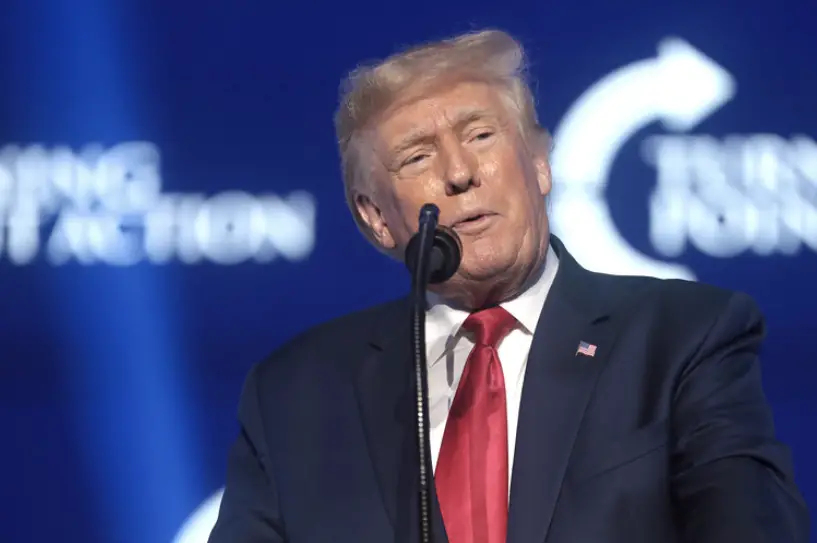
President Trump has signed a controversial executive order directing federal prosecutors to pursue legal action against individuals who desecrate the American flag. The order authorizes criminal charges—including possible jail time—for those whose flag-burning crosses into criminal behavior, such as inciting violence or damaging property.
Key features of the order include:
- Authorizing the Department of Justice to prioritize prosecutions of flag desecration cases that violate content-neutral laws, such as those related to hate crimes, destruction of property, or disorderly conduct.
- Empowering authorities to refer violations to state or local agencies when applicable.
- Granting federal officials the authority to deny or revoke visas and immigration benefits for foreign nationals who engage in flag desecration.
- Citing the Supreme Court’s First Amendment protections but seeking legal pathways to challenge or narrow those protections in future cases.
This move directly contests the landmark Texas v. Johnson (1989) and U.S. v. Eichman (1990) Supreme Court rulings, which safeguarded flag burning as constitutionally protected symbolic speech. Trump’s executive order explicitly calls for a reexamination of that precedent, positioning the DOJ to pursue legal challenges that may advance to the now more conservative Supreme Court.
The decision has already sparked resistance from civil liberties groups and legal scholars, who argue that it undermines free speech and exceeds executive authority.