
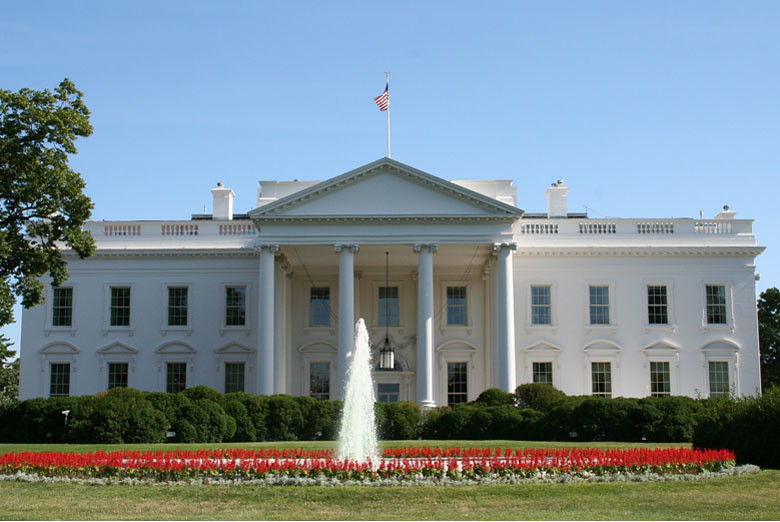
The White House has taken a significant step in its environmental and energy policies by announcing the suspension of several proposed liquefied natural gas (LNG) export terminal projects. This move aligns with the demands of environmentalists and follows a thorough evaluation of the projects’ potential impact on the climate.
In a collaborative announcement by the White House and the Department of Energy (DOE), it was stated that this suspension allows federal agencies to conduct a detailed environmental review, particularly focusing on the carbon emissions associated with these projects. This comprehensive analysis is expected to take more than a year. Environmental advocates, who have long voiced concerns about the increase in emissions and the potential aggravation of global warming due to LNG export projects, have welcomed this decision.
Energy Secretary Jennifer Granholm emphasized America’s commitment to balancing energy access, climate protection, and economic growth. “With the rise in our exports, it’s imperative to evaluate export applications based on updated and thorough economic, environmental, and national security considerations,” stated Granholm.
The specifics of the suspension, including which projects are affected, are not fully disclosed, but a senior administration official indicated that it involves at least four projects of varying sizes. Projects in the final stages of approval by the Federal Energy Regulatory Commission, awaiting DOE’s green light, will be impacted by this halt.
Environmentalists and some Democratic lawmakers have opposed these LNG projects, citing the risks they pose to global warming and pollution levels. In December, several environmental groups penned a letter to Granholm urging her to stand against further LNG development.
On the other hand, proponents of LNG export facilities have criticized the halt. They argue that these projects are essential for meeting energy demands in Asia and Europe, especially as these regions seek alternatives to Russian natural gas. Proponents contend that U.S. LNG can replace more carbon-intensive fossil fuels internationally, thereby helping to reduce global carbon emissions.
The White House’s decision underscores the ongoing debate between energy security and environmental sustainability. This policy shift marks a significant change in the United States’ approach to energy policy, with potential implications for international energy markets and the nation’s commitment to combating climate change.