
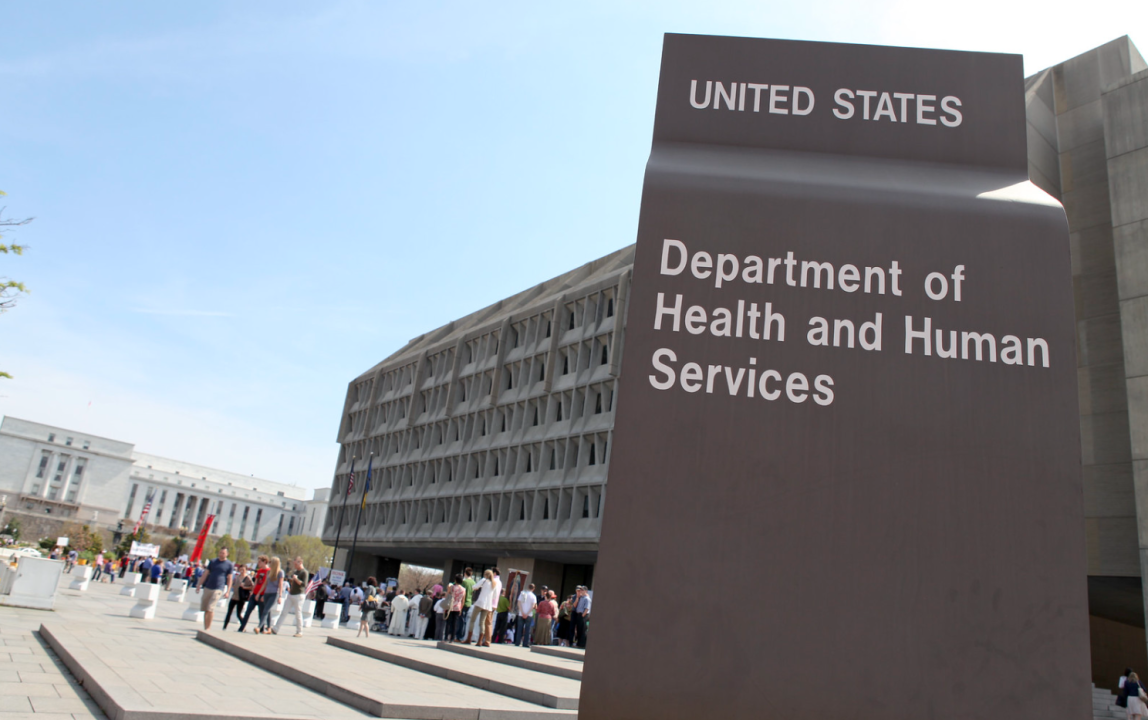
The new gender pronoun policy at the Department of Health and Human Services (HHS) has sparked a firestorm of protest from some quarters who fear it may lead to the firing of employees for “misgendering.” The policy has been criticized by Roger Severino, vice president for domestic policy at the Heritage Foundation and former head of civil rights at HHS under the Trump administration. Severino claims that the regulation forces employees to lie.
Last week, Severino used X (previously Twitter) to draw attention to the matter and expose that HHS has mandated transgender pronoun use among its staff. He used an email sent to HHS workers as evidence that this rule compels workers to ignore biological reality or fear firing.
The policy, titled “Gender Identity and Non-Discrimination Guidance,” mandates that all workers be addressed with their preferred names and pronouns. HHS claims that this strategy safeguards employee rights relating to gender identification. However, Severino contends that such regulations infringe on employees’ constitutional rights, particularly the First Amendment.
Severino claims that the impetus for this policy came from two executive orders issued by the White House in January 2021 and June 2022, respectively. These directives sought to eliminate “gender discrimination” on the basis of “gender identity.” The United States Office of Personnel Management has made a similar push for inclusive workplaces by encouraging the use of proper names and pronouns.
Assistant HHS Secretary Rachel Levine, a transgender person, endorses the policy in an unlisted YouTube video referenced in the email to HHS workers, saying, “who you know yourself to be is valid.” Severino calls this approach “Orwellian,” arguing that it violates anti-discrimination law because “misgendering” might result in dismissal.
The film seems to imply that workers are free to use facilities and dress in accordance with their preferred gender. Severino raises worries about privacy and hostile work settings, highlighting potential ramifications for HHS locker rooms and bathrooms.
Severino emphasizes the employees’ potential legal redress by referencing West Virginia vs. Barnette, a case in which the Supreme Court declared that people have a right to protest against mandatory speech. He adds that employees have the right to their faith and cannot be forced to disavow it as a condition of employment.
Employees, say its detractors, are put in a difficult position between staying quiet to protect their employment and speaking out against what they see as a breach of their rights. Concerns about the impact on morale and productivity within the government staff continue to grow as the story plays out.