
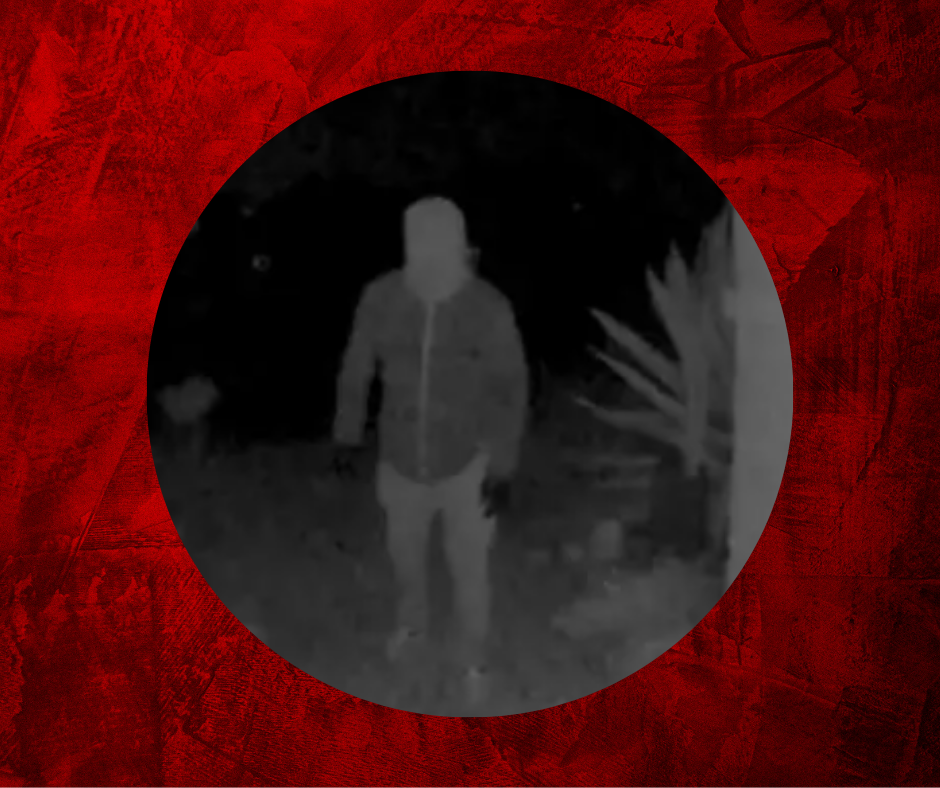
Federal agents took longer than expected to obtain Nest camera footage in the search for Savannah Guthrie’s missing mother, a delay that experts say highlights both technical hurdles and the growing complexity of accessing smart-home data in criminal investigations.
Law enforcement sources say agents initially focused on door-to-door inquiries, witness interviews, and public surveillance video in the immediate aftermath of the woman’s disappearance. It was only after those leads yielded limited results that investigators shifted more attention toward private smart-device footage from nearby homes.
Officials explained that retrieving video from a Nest device — which is owned by a private party and stores files in encrypted cloud servers — requires legal steps such as issuing a subpoena or warrant before Google will release the recorded footage to investigators. That process, while standard, added time to the timeline because it involved careful review by prosecutors and judges to ensure proper legal authority.
Digital security experts say that smart-home devices like Nest cameras are designed to protect user privacy through encryption and secure login protocols, meaning police cannot simply access the data without cooperation from the service provider and valid legal paperwork. While this safeguards consumer information, it also means that when such footage could be crucial to a case, there can be unavoidable procedural delays.
Agents eventually obtained key segments of Nest footage and are analyzing it alongside other sources of evidence as part of their effort to establish the missing woman’s movements before she vanished. Investigators stressed that the case remains active and that every lawful option is being pursued to gather relevant information.
The situation underscores broader challenges facing law enforcement as smart-home technology proliferates — offering new sources of evidence, while also introducing technical and legal complexities in criminal inquiries. Prosecutors, police, and digital privacy advocates continue to debate how best to balance public safety needs with individual privacy protections as such devices become commonplace.