
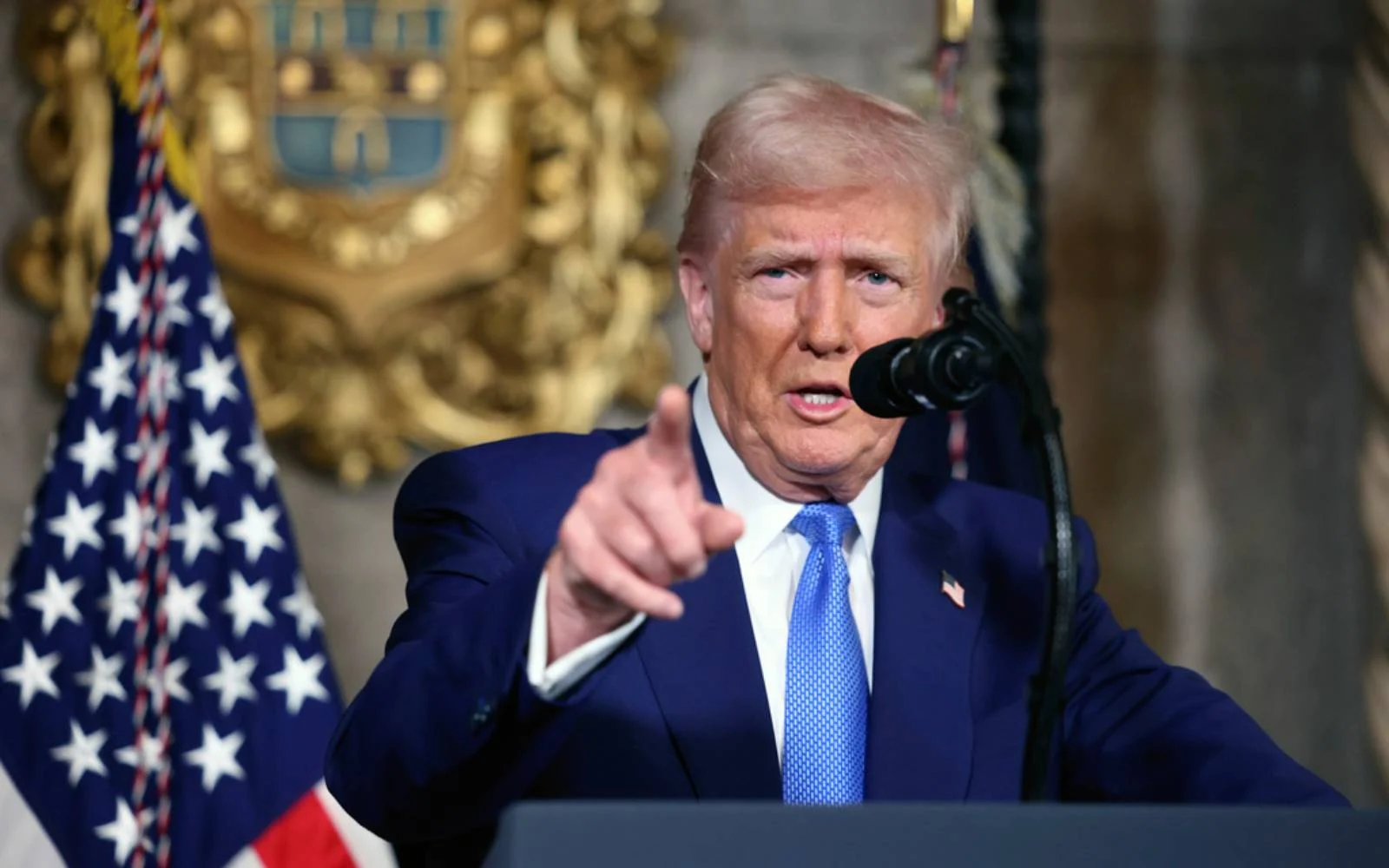
Greenland has become a focal point in President Donald Trump’s strategic discussions, prompting renewed attention to the Arctic island’s importance in global security, economics, and geography.
U.S. interest in Greenland stems largely from its geographic position between North America and Europe, making it a critical location for defense and military operations. Its proximity to key Arctic air and sea routes gives it strategic value in monitoring potential threats and projecting power in the northern hemisphere.
Another key factor is Greenland’s natural resources — including rare earth elements, minerals, and hydrocarbons — which are attracting interest as global demand grows and climate changes make Arctic extraction more feasible.
Finally, Greenland’s location is central to Arctic geopolitics. As ice continues to recede, new shipping lanes and economic opportunities are opening up, prompting competition among nations seeking influence in the region. Control or partnership in Greenland could give the United States advantages in trade routes, military positioning, and diplomatic ties.
Trump’s focus on Greenland highlights a broader push to ensure U.S. interests are prioritized as global powers vie for influence in the Arctic’s evolving landscape. Decisions made now could shape strategic postures for decades to come.