
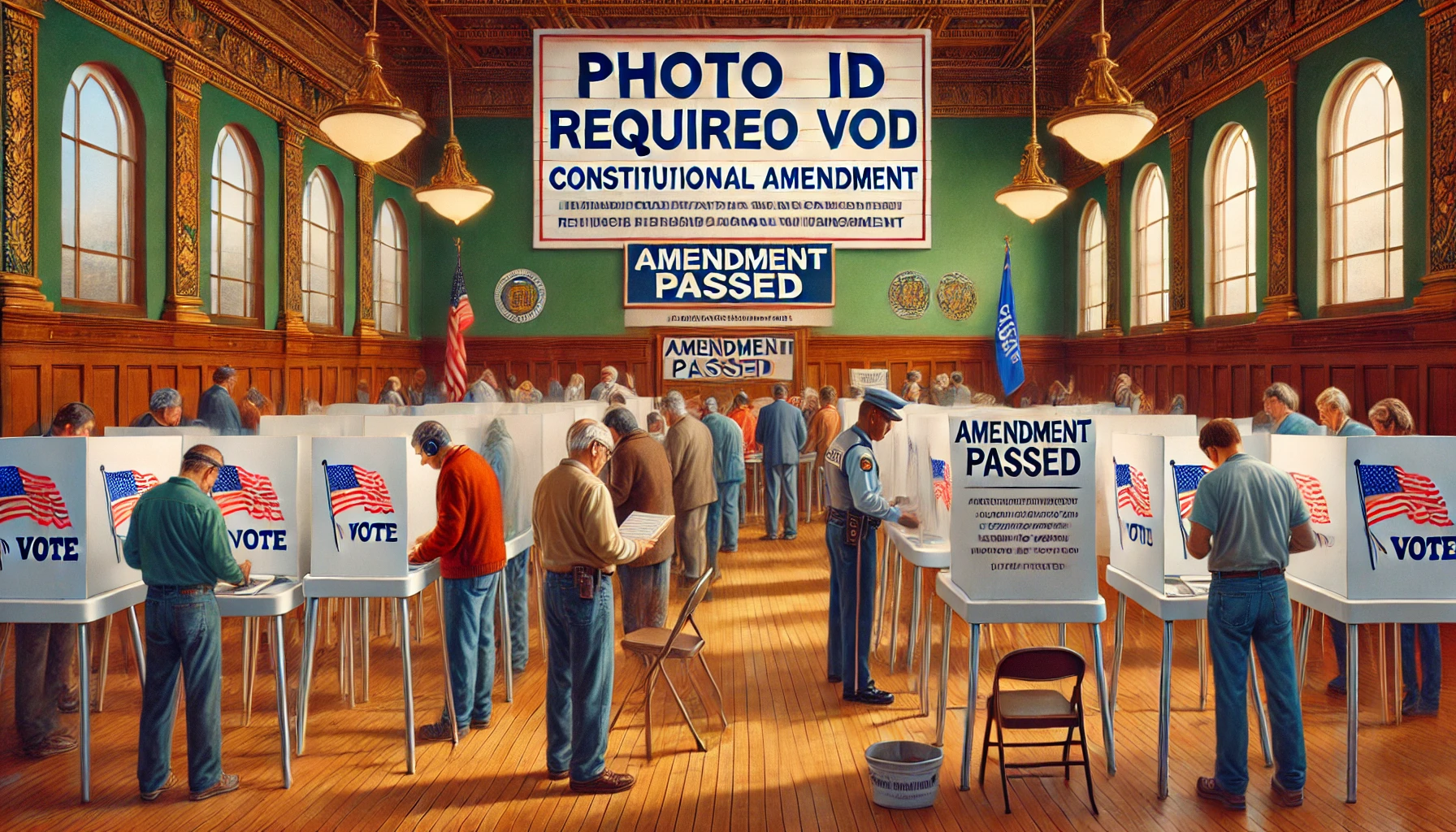
In a significant development for election law in the Midwest, Wisconsin voters have approved a constitutional amendment to make voter identification requirements a permanent part of the state’s election process. The decision marks a major victory for Republicans who have long championed stricter voting regulations as a means of protecting ballot integrity.
The amendment, passed through a statewide referendum during Tuesday’s election, enshrines into the state constitution the requirement for voters to present valid photo identification at the polls. The measure passed with a solid majority, following a campaign that emphasized preventing fraud and reinforcing public trust in elections.
Supporters of the amendment argued that placing the rule in the state’s foundational legal document would safeguard it from future legislative or judicial reversals. Wisconsin already had a voter ID law in place, but this vote elevates it to constitutional status, making it more difficult for future lawmakers or courts to alter or repeal.
Republican leaders celebrated the outcome as a decisive affirmation of voter support for secure elections. State GOP officials said the result sends a clear message that Wisconsin residents want measures in place to verify the identity of those casting ballots.
Opponents, including many Democratic lawmakers and civil rights groups, warned that the amendment could disproportionately impact elderly voters, college students, and communities of color, who may face greater challenges obtaining state-issued identification. They argued that existing safeguards were already sufficient to prevent fraud and that the new measure could suppress voter participation.
Despite the criticism, the measure advanced through both chambers of the Wisconsin Legislature in two consecutive sessions, a requirement for constitutional amendments in the state, before being placed on the ballot for public approval.
With the amendment now ratified, Wisconsin joins a growing number of states where voter ID rules are protected at the constitutional level. The change is expected to influence future debates over election reform not only in Wisconsin but also in other states weighing similar proposals.