
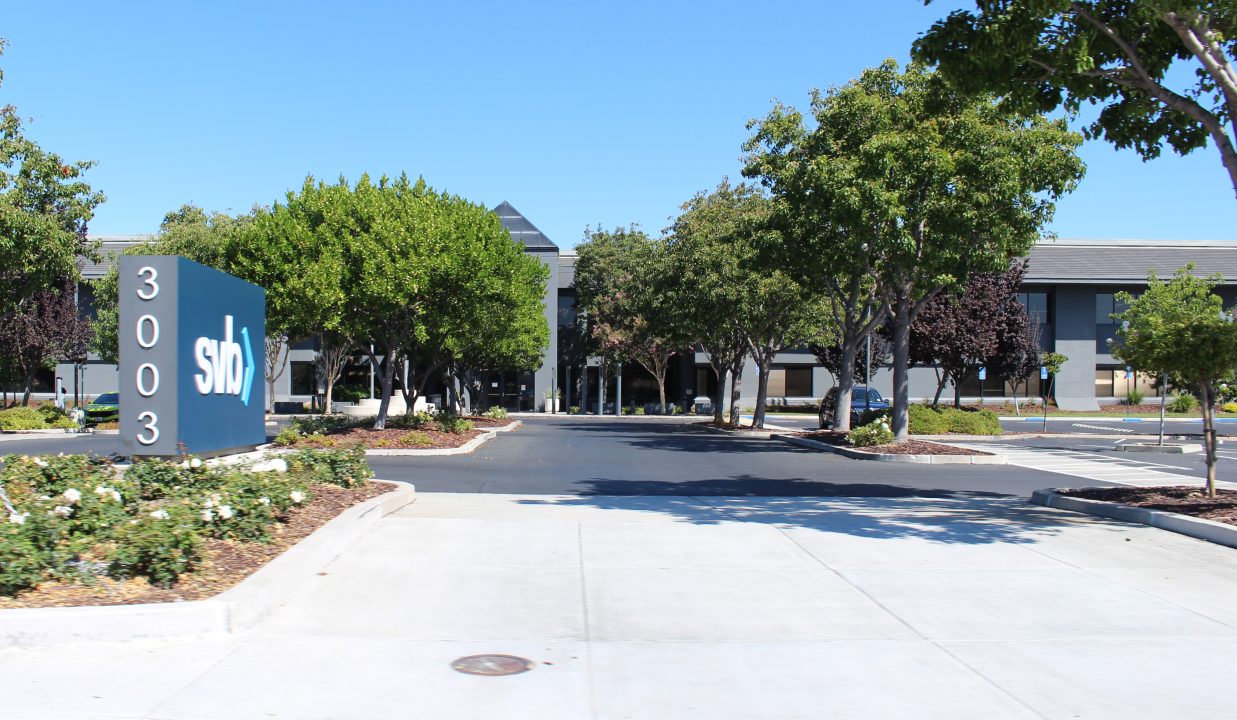
Treasury Secretary Janet Yellen said on Sunday that the failing Silicon Valley Bank will not be bailed out.
Although Yellen assured CBS News’ Margaret Brennan on “Face The Nation” that the government would assist regulators to safeguard depositors, she also made it plain that the large technological bank would not receive a bailout.
When questioned by Brennan if the United States had ruled out a bailout, Yellen stated, “Let me be clear that throughout the financial crisis, there were investors and owners of significant, important institutions who were bailed out.” Thankfully, due to the extra precautions, this won’t happen again. Nonetheless, our priority is guaranteeing the satisfaction of our depositors.
Brennan questioned Yellen whether she felt depositors should get their whole money back since more than 85% of the accounts weren’t insured.
Yellen stated that the government is “quite conscious of the issues that depositors would confront,” as many depositors are small companies that provide jobs to people all around the nation. Nonetheless, she refrained from providing any further commentary. Fortunately, we are having these discussions with the proper individuals.
On Wednesday, Silicon Valley Bank revealed plans to sell $1.75 billion in stock in response to massive losses from the sale of a $21 billion bond portfolio. This caused concern among the bank’s startup clients and investors. The Silicon Valley Bank (SVB) is the largest financial institution in the Silicon Valley area and the sixteenth largest in the United States. More than half of all technology and healthcare startups funded by venture capital have received loans from this organization.
The FDIC announced SVB’s closure on Friday, following the lead of California’s Department of Financial Protection and Innovation. According to a press release issued by the government-backed corporation, insured depositors will have access to their funds as early as Monday morning, and uninsured depositors will have access to their funds as soon as early next week.
The FDIC noted that it was unclear how many deposits exceeded insurance limitations at the time of closure. The FDIC will know how much is in uninsured deposits after it collects additional data from the bank and its customers.
Fox Business Network’s senior correspondent Charles Gasparino heard from sources that depositors will get 30-50% returned on Monday and “much of the remainder” in time.
If SVB declares bankruptcy, according to Axios, it will be the largest financial institution to fall since Washington Mutual in late 2008.
Yellen has stated that the failure of several banks is not an automatic response to the failure of a single bank. They might be able to halt the spread of infections with “supervision and control,” she speculated.
It bears repeating that the U.S. economy is “extremely safe,” “well-capitalized,” and “strong,” as Yellen did. She also mentioned that “special processes” and tighter control over capital and liquidity had been implemented after the 2008 financial crisis. If so, that might improve People’s confidence in the financial sector. This strategy was effective even in the early stages of the pandemic.
Too much exposure to subprime mortgages caused problems for commercial and investment banks alike during the Great Recession of 2008. The result was that both the Bush and Obama governments had to bail out the financial institutions.