
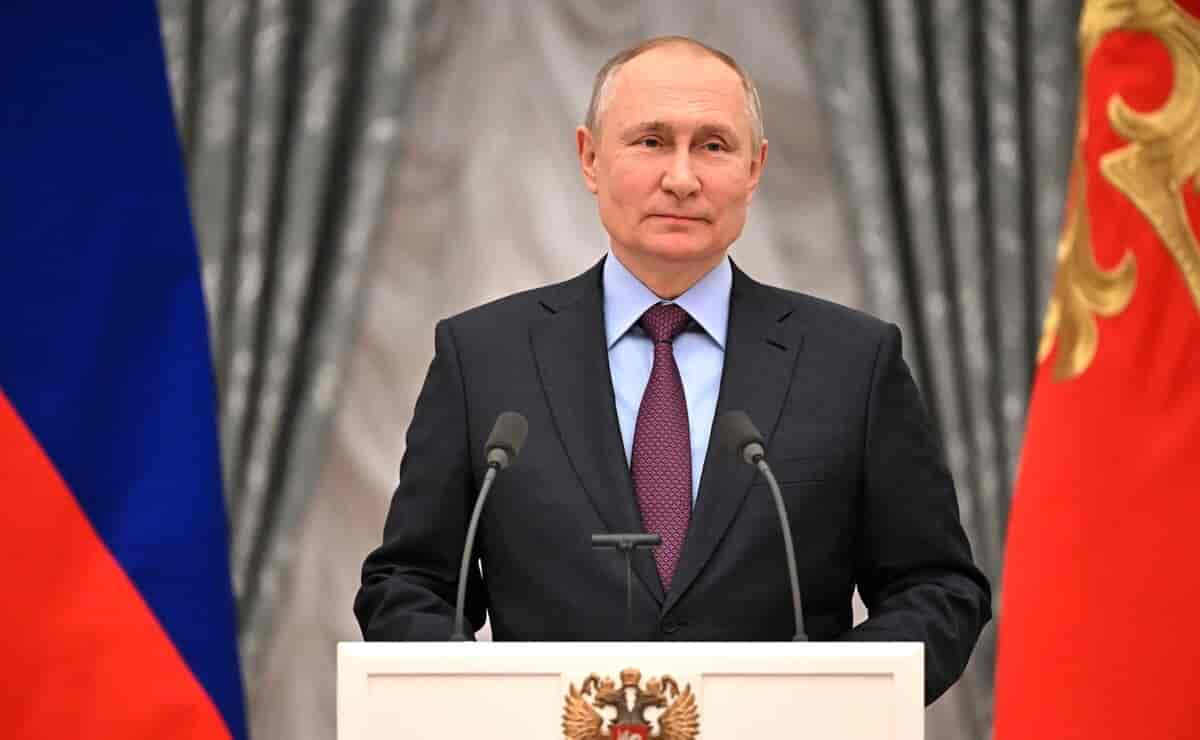
Russian President Vladimir Putin’s decision to forgo attendance at the highly anticipated Istanbul peace summit has dealt a blow to renewed hopes of ending the war in Ukraine. Instead of appearing in person, Putin sent a lower-level delegation led by aide Vladimir Medinsky, a move criticized by Ukrainian President Volodymyr Zelenskyy as a sign of Russia’s unwillingness to negotiate seriously.
The summit, billed as a potential turning point in the conflict, was expected to mark the first direct talks between Russia and Ukraine in three years. However, the absence of both Putin and U.S. President Donald Trump—who is currently traveling through the Middle East—has significantly lowered expectations.
Trump commented on the situation, stating that progress is unlikely without a direct meeting between himself and Putin, reinforcing the notion that high-level dialogue is essential for any meaningful resolution.
Zelenskyy, present in Istanbul and prepared for face-to-face negotiations, expressed frustration over Moscow’s delegation, arguing that only Putin has the authority to make consequential decisions regarding the war’s outcome.
With the summit now clouded by uncertainty, international observers remain skeptical that substantive breakthroughs will occur without the direct involvement of the most influential leaders. The opportunity for progress appears to be fading, as diplomacy struggles to regain its footing in the face of ongoing hostilities.