
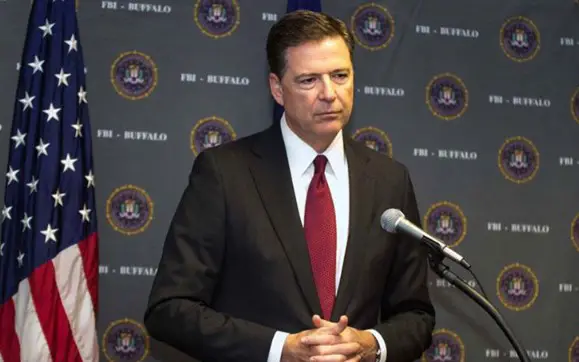
Former FBI Director James Comey and New York Attorney General Letitia James were the targets of criminal indictments that were rejected by a federal judge. The judge ruled that the prosecutor who brought the accusations had been improperly installed and could not legally pursue either case. The ruling puts an end to two of the most prominent prosecutions in recent years and essentially nullifies months of investigative work.
The decision states that interim U.S. Attorney Lindsey Halligan was legally flawed in all of her actions, including granting grand jury indictments, since she took on the position without fulfilling federal appointment standards. The judge made it clear that the dismissal was made only for procedural reasons and had nothing to do with an evaluation of the accusations or evidence against the two officials.
The allegations, which included accusations of bank fraud against James and false statements and obstruction against Comey, were dropped without affecting the case. Theoretically, prosecutors may then resubmit the cases to a duly designated U.S. attorney. Legal experts point out that any renewed endeavor is being hampered by the passing of time. Since several of Comey’s accusations are getting close to the statute of limitations, reindictment is becoming less likely. James’s case might last longer, but a new grand jury procedure would still be necessary.
Comey and James had both denied misconduct and described the indictments as motivated by politics. The judge’s ruling emphasizes how procedural errors can ruin even the most well-known legal proceedings rather than clearing either official on factual grounds.
Whether the Justice Department intends to resume any inquiry has not yet been disclosed. The decision has brought attention to how mistakes in appointment processes can ruin entire cases before they even get to trial and has spurred further criticism of the administration’s handling of delicate prosecutions.